
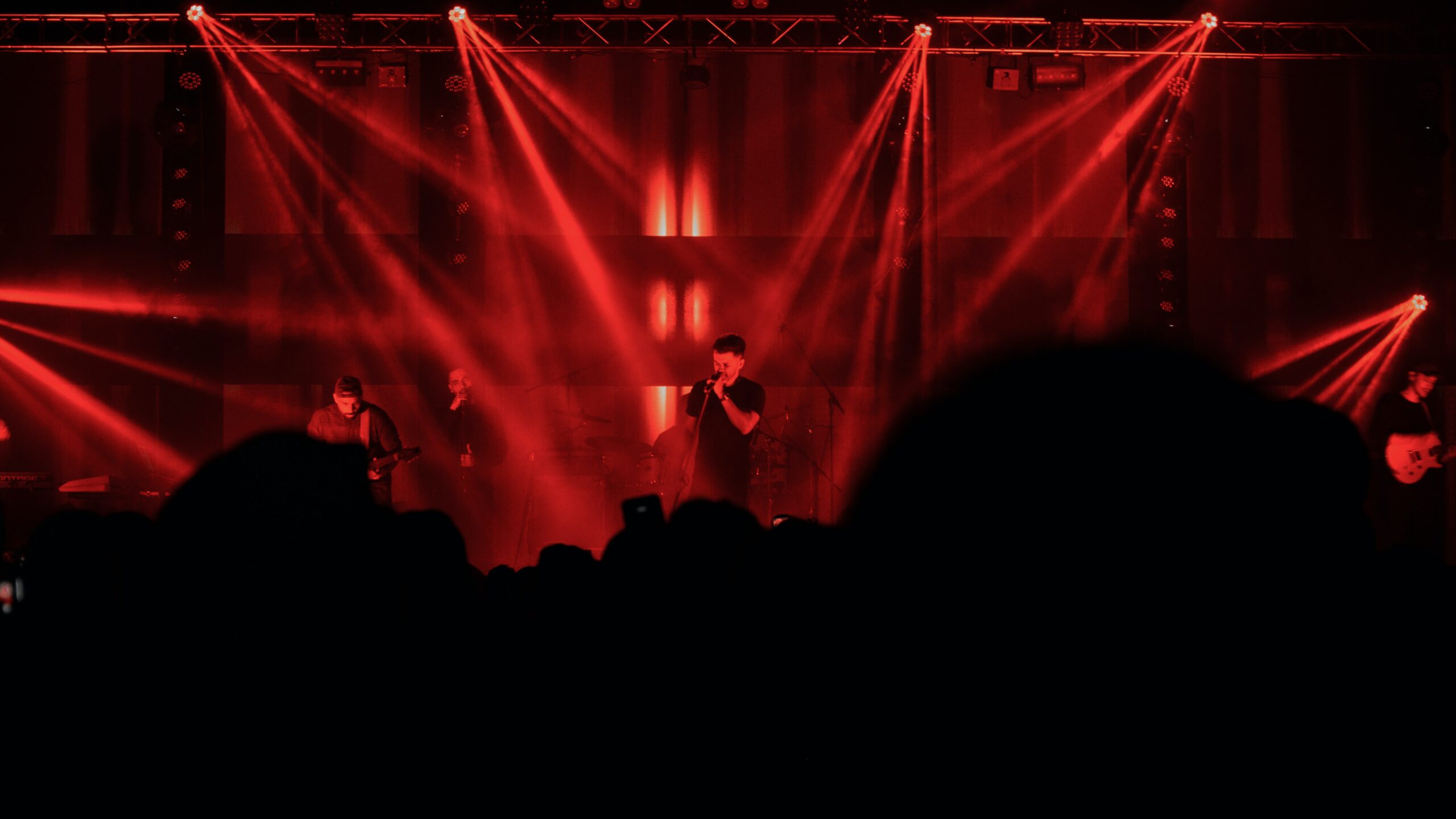
Stage Lighting for Beginners: Tips and Techniques
Your No-Nonsense Guide to Lighting Up Any Stage
Essential Stage Lighting Techniques for Beginners:
A Guide for Mastering Stage Lighting for Beginners in India
Table of Contents
- 01. What Is Stage Lighting and Why Should You Care?
- 02. Basic Types of Stage Lights
- 03. Setting Up a Simple Rig on a Budget
- 04. What on Earth Is DMX Control?
- 05. Colour Gels and Gobos
- 06. Three-Point Lighting for Theatre
- 07. Front Light vs Back Light: Which First?
- 08. Lighting Plots and Cue Sheets
- 09. LED vs Traditional Stage Lights
- 10. Safety Tips + Practice Without a Theatre
So You Want to Light Up a Stage?
Let me tell you something. The first time I stood behind a lighting console — staring at 48 faders, a sea of cryptic channel numbers, and what felt like a spaceship dashboard — I nearly walked out. Literally.I had volunteered to handle lighting for my college’s annual cultural fest in Mumbai, and absolutely nobody warned me it would feel this intense.
But here’s the thing about stage lighting: once you get it, you really get it. And the transformation it brings to a performance? Absolute magic. A dimly lit stage with a single spotlight can make a monologue hit differently. A burst of coloured LED wash during the climax of a dance act? Goosebumps, every single time.
Whether you’re a theatre student, an event management fresher, a set design enthusiast, or just the brave soul who said “I’ll handle the lights” at your college production — this guide is for you. We’re going to break down stage lighting basics in a way that’s simple, practical, and honestly, pretty fun.
If you’re looking to master the art of stage lighting for beginners, this guide is tailored just for you.
Understanding stage lighting for beginners is crucial for anyone looking to enhance their performance or production.
What Is Stage Lighting and Why Should You Care?
Stage lighting is more than just pointing a bulb at a performer. It’s a storytelling tool. It controls mood, focus, depth, and emotion. It tells the audience where to look, what to feel, and even what time of day it is in a scene — all without a single word.
In Indian contexts — from school annual days in Delhi, to corporate events in Bangalore, to theatre festivals in Pune — lighting is often an afterthought. Someone typically shows up with a few PAR cans, sets them to full white, and calls it done. And then the performers are barely visible, the colours clash, and the whole vibe feels off.
The good news? You don’t need a massive budget or a degree in stagecraft to do better. You just need to understand the basics. So let’s get into it.
Basic Types of Stage Lights — What Are They Actually Called?
Here’s your beginner’s toolkit. These are the most common types of stage lights you’ll encounter:
| Light Type | What It Does | Best For |
|---|---|---|
| PAR Can | Creates a tight, fixed beam of light | Washing a stage with colour, basic setups |
| Fresnel | Soft-edged, adjustable beam | General stage wash, portrait lighting |
| Profile (Leko) | Sharp-edged, precise beam with shutters | Spotlighting specific areas or performers |
| LED Par/Wash | Colour-changing, energy efficient | Versatile use, budget-friendly, modern look |
| Moving Head | Automated, can pan/tilt/change colour | Dynamic shows, concerts, events |
| Followspot | Manual spotlight that tracks a performer | Theatre, musicals, speeches |
For most beginners doing theatre lighting 101 or a school production, PAR cans and Fresnels are your best friends. They’re affordable, widely available on rent in cities like Mumbai, Delhi, and Chennai, and easy to work with.
How Do I Set Up a Simple Stage Lighting Rig on a Budget?
Setting up your first rig can feel overwhelming, but let’s simplify it. Here’s a basic beginner stage lighting setup that works for school plays, small events, or rehearsal spaces:
- Plan your positions first — Think about where you’ll hang or stand lights: front truss, side booms, or floor stands.
- Start with front wash — Two or three lights from the front ensure your performers’ faces are lit and visible.
- Add a back light — A light from behind adds depth and separates the performer from the backdrop. It’s a game-changer.
- Use gels for colour — Attach coloured acetate sheets (gels) to your lights to change the colour. A warm amber front light and a cool blue back light? Chef’s kiss.
- Cable management matters — Never underestimate this. Tangled cables are a safety hazard and a nightmare to troubleshoot mid-show.
For cheap stage lighting ideas, consider renting equipment rather than buying. Most major Indian cities have AV rental shops near event hubs. A basic setup for a school play can cost as little as Rs. 3,000-8,000 in rental depending on your city.
What on Earth Is DMX Control?
If you’ve heard the term DMX and immediately zoned out — trust me, you’re not alone. But understanding DMX is actually one of the most important stage lighting basics for any beginner.
DMX (Digital Multiplex) is the language that your lighting console uses to talk to your lights. Think of it like a really organised group chat where the console is the admin and each light is a member — the console tells every light exactly what to do, when to do it, and how bright to be.
Here’s what you need to know about intro to DMX stage control:
- Each light (or channel) gets a unique DMX address (1-512)
- The console sends signals through a DMX cable to all connected lights
- You can control intensity, colour, position, and effects — all from one desk
- Budget DMX controllers start from around Rs. 2,500-5,000 online (check Amazon India or local AV suppliers)
If you’re just starting out, even a simple 12-24 channel DMX controller is more than enough to learn the ropes.
Colour Gels and Gobos — The Secret Weapons of Stage Lighting
Want to make your stage look like a forest? A moody dungeon? A royal palace? That’s what colour gels and gobos are for.
Colour Gels
Gels are thin, heat-resistant coloured sheets that clip or tape in front of your fixture. They change the colour of the light output. When you’re building your stage lighting colour temperature guide, keep these basics in mind:
- Warm tones (amber, straw, gold): Sunny, warm, cheerful scenes
- Cool tones (blue, lavender): Moonlight, mystery, sadness
- Red/Deep Amber: Intensity, passion, danger
- Green: Eerie, unnatural, comedic (use sparingly!)
Gobos
Gobos are metal or glass templates that fit inside a profile light and project patterns onto the stage or backdrop. Think of dappled leaf shadows, window panes, star patterns, or brick textures. They add incredible depth for almost zero extra cost — a single gobo sheet costs Rs. 300-800 and can transform your entire staging aesthetic.
Three-Point Lighting for Theatre — A Classic Technique That Never Fails
Borrowed from photography and film, three-point lighting for theatre is the foundational technique every beginner should master. Here’s how it works:
| Light | Position | Role |
|---|---|---|
| Key Light | Front-side (45° angle) | Primary illumination — most of the light |
| Fill Light | Opposite front-side | Softens shadows from key light |
| Back Light | Behind the performer | Adds rim glow, separates from background |
This three-light setup is the backbone of stage wash lighting techniques used by professionals at Prithvi Theatre in Mumbai, Ranga Shankara in Bangalore, and every major theatre festival across India. Get this right, and you’re already ahead of 80% of beginners.
Front Light vs. Back Light: Which Do You Set Up First?
Short answer: front light always comes first.
Without front lighting, your performers’ faces are in shadow — and no amount of dazzling effects will save you if the audience can’t see the actors’ expressions. Front light ensures visibility, which is Job #1 in any stage lights tutorial.
Back light comes second. It’s the ingredient that makes a flat, two-dimensional stage suddenly look three-dimensional. It creates that beautiful rim of light around a performer that screams “this is professional.”
Side lighting (from the wings) comes third, if you have it. It adds texture and dimension, especially for dance performances — a staple in Bharatanatyam and contemporary dance productions across India.
How to Create a Lighting Plot and Cue Sheet
A lighting plot is essentially a top-down map of your stage showing where every light is positioned. A cue sheet is the sequence of lighting changes during the show.
As a beginner, you don’t need fancy software to start. Here’s a simple approach:
- Draw a basic top-view diagram of your stage on paper
- Mark the position of every fixture and label them by number
- Note the DMX address and gel colour for each light
- Create a cue list: Cue 1 (opening — house lights dim), Cue 2 (stage wash up), Cue 3 (follow spot on actor), and so on
When you’re ready to go digital, free tools like LightKey (Mac) or QLC+ (cross-platform, completely free) are fantastic for learning stage lighting programming. Professional packages like ETC Eos and MA Lighting are the industry standard, but start simple.
LED vs. Traditional Stage Lights — Which Should You Choose?
| Factor | LED Lights | Traditional (Halogen/Incandescent) |
|---|---|---|
| Cost (Purchase) | Higher upfront | Lower upfront |
| Running Cost | Low (energy efficient) | High (power hungry) |
| Heat Output | Minimal | Significant |
| Colour Control | Built-in RGB/RGBW mixing | Requires separate gels |
| Lifespan | 50,000+ hours | 1,000-3,000 hours |
| Availability for Rent (India) | Growing rapidly | Widely available |
| Best For | Modern venues, budget long-term | Quick setups, legacy venues |
For how to choose LED vs traditional stage lights for small venues: if you’re setting up church stage lighting basics or a permanent installation in a school auditorium, go LED. If you’re doing a one-time event and renting, traditional PAR cans are often cheaper to hire per unit.
Beginner Safety Tips — Because the Show Must Go On (Safely)
Stage lighting involves electricity, heat, and equipment at height. Please don’t skip this section.
- Always use a proper power distribution unit (PDU) with circuit breakers
- Never exceed the wattage rating of your dimmers or dimmer packs
- Use safety cables (also called safety bonds) on every hanging fixture — if a clamp fails, the safety cable is the backup
- Keep gels away from the front glass of hot fixtures to prevent fire
- Tape down all cables on the stage floor to prevent trip hazards
- Wear gloves when handling hot halogen lamps — skin oils cause premature failure
- Have a fire extinguisher accessible at every show
In India, where event setups are often done under time pressure, safety gets rushed. Don’t let it be. A five-minute safety check before a show has saved countless performances — and more importantly, people.
Where Can You Practice Without a Full Theatre?
Here’s the honest truth: you don’t need a stage to learn stage lighting. Here are some DIY stage lighting tutorial setups you can actually try:
- Set up lights in your living room or bedroom and practice on a willing family member
- Use a dining table as your stage and create a mini three-point setup with clamp lights and gels from the local hardware shop
- Join your college theatre club or tech crew — even as a helper, you’ll learn faster than any YouTube video
- Volunteer for local events, NGO performances, or college fests — hands-on experience is irreplaceable
- Visit Nashik, Jaipur, or Bhopal’s active theatre circuits — regional theatre communities are often welcoming to newcomers
The best stage lighting education? Getting your hands dirty. Every gig teaches you something a textbook never will. While field experience is king, our One Year Program in Lighting Design bridges the gap by placing you in high-intensity, professional environments where you can master the technical rig and the creative “why” simultaneously.
Final Thoughts — Your Lighting Journey Starts Now
Stage lighting, like most crafts, rewards the curious and the persistent. You’ll trip over a cable (literally). You’ll accidentally black out a scene when you meant to fade it up. You’ll once set the gobos upside down and spend ten minutes wondering why the trees look like roots. All of that is part of the journey.
What matters is that you start. Pick up that DMX controller. Hang that Fresnel. Clip on that amber gel. Watch what happens when you add a back light to a scene you’ve lit a hundred times before. There’s a reason people dedicate their careers to this — it’s that rewarding.
India has a vibrant, growing events and theatre industry. From the grand cultural fests at IITs and IIMs to the intimate black box theatres in Mumbai and Delhi, there is endless opportunity for trained lighting technicians. The industry is hungry for people who know their stuff and care about the craft.
So here’s your call to action: Pick one technique from this guide — just one — and try it this week. Borrow a light, raid the college AV cupboard, or even just set up a clamp light in your room and play with gel colours. Then come back and try another. Before you know it, you won’t just be the person who “handles the lights.” You’ll be the person who makes the magic